
Disclaimer: This article is for general educational and informational purposes only. It is not medical advice and should not substitute for medical advice, diagnosis, or treatment from a qualified healthcare professional. If you are taking a weight-loss medication and experience hair loss, changes in your skin, or any other concerning symptoms, speak with your doctor or another qualified healthcare professional.
Weight-loss medications have changed the way many people approach obesity and weight management. Medications such as semaglutide and tirzepatide can help people lose significant amounts of weight, often by reducing appetite and food intake.
But as these medications have become increasingly common, another conversation has emerged alongside the discussion about weight loss: What happens to your hair and skin?
Some people taking GLP-1 medications report increased hair shedding, thinner-looking hair, changes in skin texture, loose skin, wrinkles, or a noticeable loss of fullness in their face and body.
These changes have even generated new terms on social media and in popular culture, including “Ozempic face” and “Ozempic body.”
But are these effects actually caused by the medication?
Or are they primarily the result of losing a substantial amount of weight?
The answer isn’t quite as straightforward as either explanation suggests.
What Are Weight-Loss Drugs?
The phrase “weight-loss drugs” can refer to several different types of medications. However, much of the recent attention has focused on a group of medications known as GLP-1 receptor agonists and related drugs.
Semaglutide is one example. Tirzepatide belongs to a related class of medications that works on two hormone pathways involved in appetite and metabolism.
These medications can reduce hunger, increase feelings of fullness and change how quickly food moves through the digestive system. For some people, the result is considerable weight loss over time.
That weight loss is important when looking at changes to the hair and skin.
Not every physical change experienced while taking a GLP-1 medication necessarily means that the medication is directly affecting the tissue in question. In many cases, the change may be associated with the weight-loss process itself.
After all, the body can undergo significant physical changes when a person loses a large amount of weight, regardless of whether that weight loss comes from medication, dietary changes, bariatric surgery, or another approach.
This is particularly relevant when weight is lost relatively quickly.
Can Weight-Loss Drugs Cause Hair Loss?
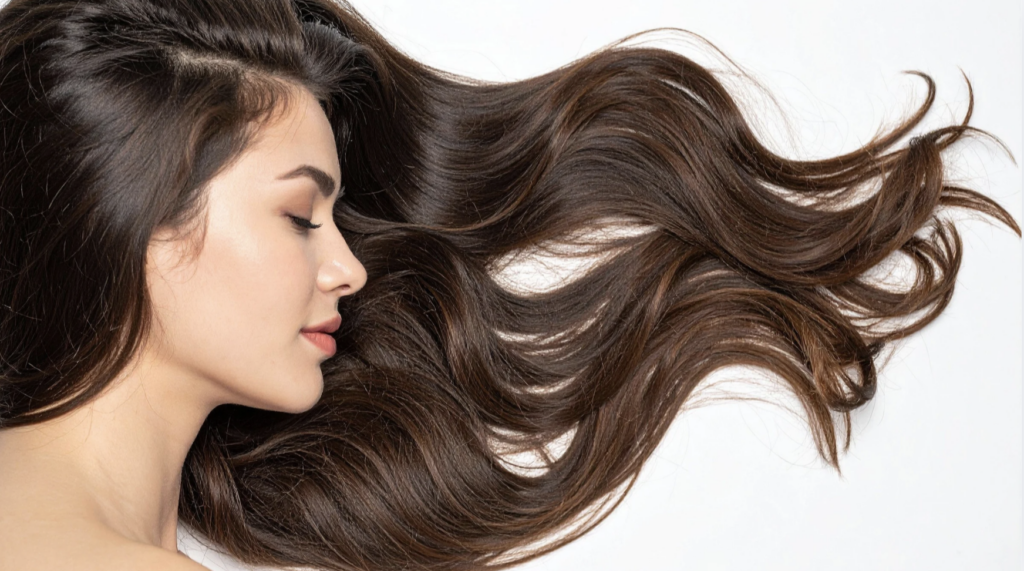
Hair loss or increased hair shedding is one of the concerns that has received considerable attention among people taking GLP-1 medications.
Some people notice more hair in their brush, shower drain, or on their clothing after beginning treatment.
However, that does not necessarily mean the medication is directly damaging the hair follicles.
One possible explanation is a temporary type of hair shedding known as telogen effluvium.
What Is Telogen Effluvium?
Hair doesn’t grow continuously at the same rate. Individual hairs move through different stages of growth, rest, and shedding.
When the body experiences a significant physical stress, a larger number of hairs can enter the resting phase at approximately the same time. Several weeks or months later, those hairs may begin to fall out.
This is known as telogen effluvium.
Rapid weight loss can be one of the triggers.
It is not unique to GLP-1 medications. Similar hair shedding can occur following major illness, surgery, significant stress, restrictive dieting, hormonal changes, and substantial weight loss.
This may explain why some people experience hair loss after starting a weight-loss medication.
The medication reduces appetite, the person eats considerably less, weight begins to fall, and the body experiences a substantial change in energy and nutrient availability.
In that situation, the medication may be indirectly associated with the hair loss without necessarily being directly toxic to the hair follicle.
Why Might Rapid Weight Loss Affect Hair?
Hair growth requires energy and nutrients.
When someone suddenly consumes considerably fewer calories, it can become more difficult to obtain sufficient amounts of protein and certain vitamins and minerals.
This can be especially relevant with medications that significantly suppress appetite.
Someone may technically be eating enough to lose weight safely while still finding that their overall food intake has changed dramatically.
Protein is particularly important because hair is primarily composed of a protein called keratin.
This doesn’t mean that everyone taking a GLP-1 medication needs to take supplements or dramatically increase their protein intake. Nutritional requirements are individual, and unnecessary supplementation can also have risks.
Instead, the point is that nutritional status is one factor worth considering when unexplained hair shedding occurs during substantial weight loss.
A healthcare professional can determine whether nutritional deficiencies or other potential causes should be investigated.
Does Hair Loss From Weight Loss Grow Back?
In many cases, temporary hair shedding can improve.
Telogen effluvium generally doesn’t destroy the hair follicle. Instead, it disrupts the normal hair-growth cycle.
Once the underlying trigger has been addressed and the body has adjusted, the hair-growth cycle can gradually return to normal.
The frustrating part is that hair operates on a very slow timetable.
Even after the original trigger has passed, it can take months for someone to notice that their hair is becoming fuller again.
However, not every case of hair loss during weight loss is telogen effluvium.
People can also experience hair thinning due to genetics, hormonal changes, thyroid problems, nutritional deficiencies, age, stress, or other medical conditions.
For this reason, persistent or significant hair loss shouldn’t automatically be blamed on a GLP-1 medication.
Caring for Hair During Weight Loss
If you notice increased shedding or your hair feels more fragile while losing weight, it’s also worth paying attention to how you care for the hair you still have. Gentle hair care can help improve the appearance and condition of hair that has become dry, brittle or damaged.
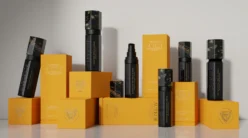
One product we recommend is Amazonliss B24 Molecular Peptides, a leave-in molecular hair restoration mask designed to improve hair quality, texture and manageability. The treatment is formulated with peptides and is intended to help address brittleness, split ends, porosity and dryness while replenishing the hair’s natural keratin. It can be particularly appealing if your hair feels more fragile or lacks its usual softness and shine.

It’s important to note that a hair-care treatment such as B24 is not a treatment for the underlying causes of hair loss or telogen effluvium. Rather, it can be used as part of a hair-care routine to help maintain the condition and appearance of the hair itself.
Discover Amazonliss B24 Molecular Peptides →
What About Changes to the Skin?
Hair isn’t the only thing that can change when a person loses a significant amount of weight.
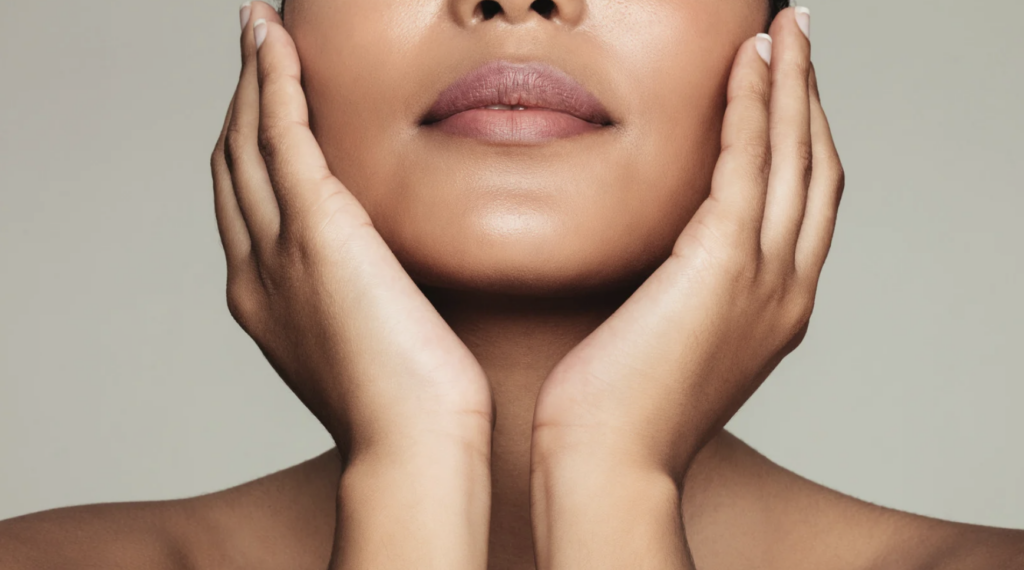
The skin can change too.
Some people notice:
- Looser skin
- Increased skin folds
- A crepey texture
- More visible wrinkles
- Changes in skin firmness
- Less fullness in the face
- Changes around the jaw and neck
- Reduced fullness in areas such as the arms, abdomen, thighs, or buttocks
These changes can be surprising, particularly for someone who has worked hard to lose weight and expected their body to simply look like a smaller version of itself.
But the body doesn’t always work that way.
Skin has elasticity, but that elasticity isn’t unlimited.
When skin has been stretched over a larger amount of underlying tissue for an extended period, losing that underlying volume can leave excess skin behind.
How much this happens varies considerably.
Age, genetics, the amount of weight lost, how quickly the weight was lost, skin elasticity, sun exposure, smoking, and other factors can all influence the final result.
Skincare Recommendation: ELEMIS Pro-Collagen Marine Cream SPF 30
If you’ve noticed that your skin looks less plump, drier, or that fine lines have become more noticeable after significant weight loss, a good daily skincare routine can help keep your skin looking and feeling its best.
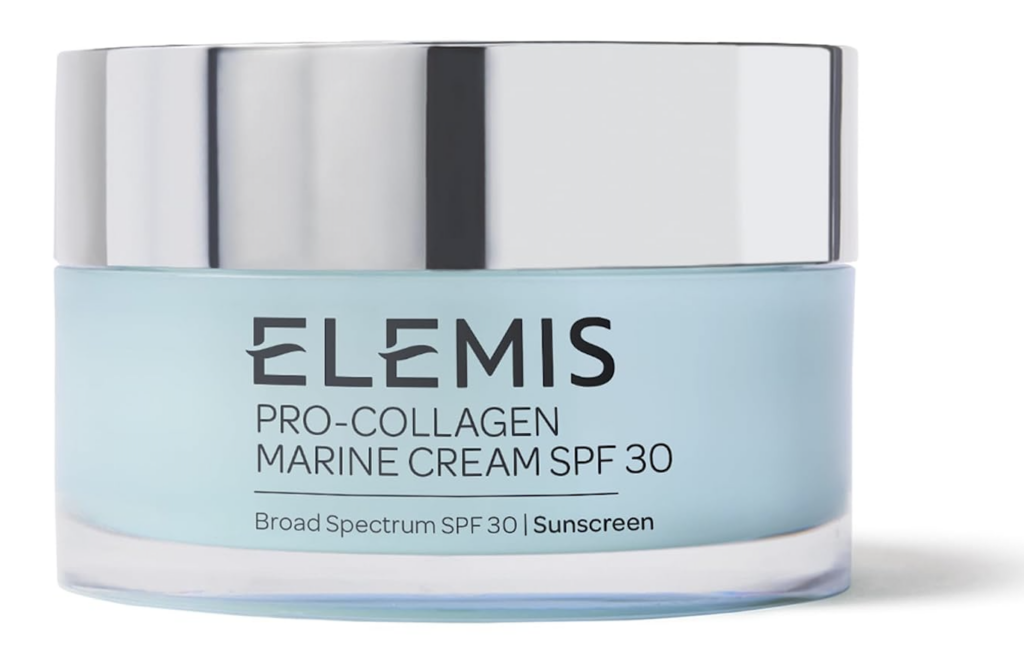
One product we recommend is the ELEMIS Pro-Collagen Marine Cream SPF 30 Anti-Wrinkle Moisturizer. This lightweight moisturizer combines daily hydration with SPF 30 sun protection, making it a practical addition to a morning skincare routine.
Sun protection is particularly important when you’re concerned about visible signs of skin aging. Regular exposure to UV radiation can contribute to premature skin aging, including fine lines, wrinkles and changes in skin texture. Using a moisturizer with SPF can therefore be a simple way to incorporate sun protection into your everyday routine.
The ELEMIS Pro-Collagen Marine Cream SPF 30 is designed to hydrate the skin while helping improve the appearance of fine lines and wrinkles. It can be a useful choice for anyone whose skin looks or feels different following weight loss and wants to focus on hydration, smoothness and overall skin appearance.
It’s important to have realistic expectations, however. A moisturizer cannot replace facial volume lost during weight loss or remove significant loose skin. What it can do is support the skin’s hydration and help it look smoother and more supple, which can make a difference to the overall appearance of the complexion.
Shop ELEMIS Pro-Collagen Marine Cream SPF 30 on Amazon →
What Is “Ozempic Face”?
You’ve probably heard the expression “Ozempic face.”
Despite how common the term has become, it isn’t a medical diagnosis.
It is a popular description for facial changes that can occur following substantial weight loss while using semaglutide or another weight-loss medication.
People may describe their face as looking:
- Thinner
- More hollow
- More angular
- Less youthful
- More wrinkled
- Less full around the cheeks
- Less full around the temples
- Looser around the jawline
Some people may notice more prominent hollows underneath the eyes or around the cheeks.
So why does this happen?
The face naturally contains fat beneath the skin. These fat compartments contribute to facial fullness and help create the contours associated with a youthful appearance.
When someone loses a significant amount of body fat, some of that volume can also disappear from the face.
The result can be a more defined face, but in some people the change can be quite dramatic.
Skin that previously stretched over a fuller face may also have less underlying support.
The combination of volume loss and changes in skin laxity can create the appearance that someone has suddenly aged.
This is what people are generally referring to when they talk about “Ozempic face.”
Is “Ozempic Face” Actually Caused by Ozempic?
This is where the terminology can become misleading.
The phrase suggests that Ozempic itself is directly responsible for facial aging.
There isn’t good reason to assume that everyone taking semaglutide will experience this effect simply because of the medication.
Instead, the amount and speed of weight loss are likely important factors.
If someone loses a substantial amount of weight, they can lose facial fat regardless of how the weight was lost.
The same phenomenon can occur after bariatric surgery or significant dietary weight loss.
The medication makes substantial weight loss possible, but that doesn’t necessarily mean that the drug is independently “aging” the face.
It is therefore more accurate to think of “Ozempic face” as a popular term for facial volume loss associated with significant weight loss, rather than a specific side effect that happens exclusively with Ozempic.
What Is “Ozempic Body”?
The term “Ozempic body” is another informal expression that has emerged online.
Like “Ozempic face,” it isn’t a recognized medical condition.
People generally use it to describe the changes that can happen to the body after substantial weight loss.
These can include:
- Loose skin
- Reduced fullness in the buttocks
- Less volume in the breasts
- Looser skin on the arms
- Changes around the abdomen
- Changes in the thighs
- A less rounded body shape
- Reduced muscle definition or muscle mass
The phrase can be particularly confusing because there is no single appearance associated with losing weight while taking a GLP-1 medication.
Bodies respond differently to weight loss.
Two people could lose the same amount of weight and have completely different changes in skin elasticity, muscle mass, facial volume, and body shape.
Does Weight Loss Cause Muscle Loss Too?
This is another important part of the conversation.
When people lose weight, the goal is generally to reduce excess body fat while preserving as much lean tissue as possible.
However, some loss of lean mass can occur during weight loss.
That doesn’t mean that GLP-1 medications are uniquely destroying muscle.
Rather, losing weight involves changes in the body’s composition, and preserving muscle requires attention to factors such as adequate nutrition and appropriate physical activity.
Resistance training can be particularly useful for maintaining muscle during weight loss, although exercise recommendations should always be appropriate for the individual’s health and circumstances.
This is one reason why focusing solely on the number on the scale can give an incomplete picture of what is happening to the body.
Two people can lose the same number of pounds but experience very different changes in fat mass, muscle mass, skin, and body shape.
Can “Ozempic Face” Be Reversed?
This is one of the most common questions people have after noticing changes in their appearance.
Unfortunately, there isn’t one simple answer.
Some changes may become less noticeable once weight stabilizes.
The body can continue to adjust after active weight loss stops, and some people may regain a degree of facial fullness over time.
However, substantial loss of facial volume or significant loose skin doesn’t necessarily disappear completely.
This is partly because facial fat and skin elasticity change with age anyway.
For someone who has lost a considerable amount of weight, the difference may simply become more noticeable because there is less tissue underneath the skin.
People who are concerned about facial volume can speak with a dermatologist or another appropriately qualified medical professional about the options available to them.
Depending on the individual, cosmetic approaches may include treatments designed to restore volume or improve the appearance of skin laxity.
However, these are individual medical and cosmetic decisions and shouldn’t be based solely on social-media trends.
What About Loose Skin?
Loose skin is one of the more predictable consequences of substantial weight loss, although the degree varies significantly.
Someone who loses a small amount of weight may notice very little change.
Someone who loses a large amount of weight may have considerable excess skin.
Unfortunately, creams and skincare products cannot completely remove substantial amounts of excess skin.
Moisturizers can improve how the skin feels and looks temporarily, but they cannot replace lost underlying volume or physically remove excess tissue.
Over time, some skin may contract to a degree.
However, significant excess skin can remain.
For people who have considerable loose skin after major weight loss, surgical procedures may sometimes be considered. These should be discussed with an appropriately qualified medical professional.
Are GLP-1 Medications Bad for Your Skin?
The growing conversation about “Ozempic face” can make it sound as though GLP-1 medications are inherently harmful to the skin.
That isn’t an accurate conclusion.
GLP-1 medications have complex effects throughout the body, and improving metabolic health and losing excess weight can potentially have positive effects on overall health.
At the same time, weight loss itself can produce visible changes that aren’t necessarily desirable from a cosmetic perspective.
This creates an interesting paradox.
A person can become healthier while also becoming unhappy with certain changes in their appearance.
Both experiences can exist at the same time.
Someone might feel better physically, have improved metabolic health, and be pleased with their weight loss while simultaneously being upset about hair shedding or facial volume loss.
That doesn’t mean the medication has “failed.”
It simply means that weight loss affects more than one aspect of the body.
Can You Prevent Hair and Skin Changes?
There is no guaranteed way to prevent all changes associated with substantial weight loss.
However, a medically supervised approach to weight management can help identify potential problems early.
Maintaining adequate nutrition is important. So is avoiding unnecessarily rapid or extreme weight loss unless it is specifically recommended and monitored by a healthcare professional.
For hair, it may be useful to pay attention to whether shedding began after a period of rapid weight loss and whether other symptoms are present.
For skin, sun protection, moisturizing, avoiding smoking, and maintaining healthy lifestyle habits can support overall skin health, although these measures cannot completely prevent loose skin after major weight loss.
Most importantly, don’t assume that every change is caused by the medication.
If something unusual is happening, there may be another explanation.
Do Weight-Loss Drugs Affect Your Hair and Skin?
They can be associated with changes in both, but the relationship is more complicated than saying that GLP-1 medications directly damage your hair or age your skin.
Hair shedding can occur during substantial weight loss, potentially because the body is responding to a major physiological and nutritional change. Temporary shedding such as telogen effluvium can improve once the underlying trigger is resolved, although hair recovery can take time.
Changes to the skin and face are often closely related to the amount of tissue lost during weight reduction.
That brings us to “Ozempic face” and “Ozempic body.”
These are popular terms rather than medical diagnoses. They describe visible changes that can occur after substantial weight loss, including loss of facial fullness, loose skin, reduced body volume, and changes in body shape.
The medication may be part of the story because it facilitates significant weight loss, but that doesn’t necessarily mean semaglutide or another GLP-1 medication is independently causing facial aging or damaging the skin.
And importantly, these changes don’t happen to everyone.
Some people experience noticeable hair shedding. Others don’t.
Some people lose considerable facial volume. Others retain a similar facial appearance.
Some people develop significant loose skin. Others experience very little.
Individual biology matters.
As GLP-1 medications continue to be used by millions of people, researchers will likely learn more about their effects on hair, skin, muscle, fat distribution, and other tissues.
For now, the evidence suggests that rapid and substantial weight loss is a major piece of the explanation for many of the changes people notice.
If you’re experiencing significant hair loss, changes in your skin, or concerns about your appearance while taking a weight-loss medication, speak with your healthcare professional. Don’t stop, change, or adjust your medication based solely on information found online.
Weight loss can change the body in profound ways. Understanding those changes — without automatically assuming that every change is a harmful side effect of the medication — can help put “Ozempic face” and “Ozempic body” into a more realistic perspective.