Fitness has long been framed through a masculine lens: push harder, move faster, lift heavier, no pain no gain.
Women have been encouraged to train like men, compete like men, and discipline their bodies through intensity, control, and relentless effort.
But this approach often leaves women exhausted, hormonally depleted, emotionally drained, and disconnected from their bodies.
Feminine fitness offers a different path. It is not about laziness or avoidance of movement. It is about intelligence, intuition, softness, and alignment with your natural rhythms.
Feminine fitness honors your body as a living, sensitive, cyclical organism rather than a machine to be optimized.
It invites you to stay fit while preserving your energy, nurturing your nervous system, and maintaining your feminine energy and radiance.
This article explores how you can embrace a more feminine approach to fitness, stay strong and healthy, and avoid burnout while feeling good in your body.
What Feminine Fitness Really Means
Feminine fitness is not defined by a specific workout. It is a mindset and an embodied approach to movement. It is rooted in listening rather than forcing, flowing rather than striving, and supporting rather than punishing your body.
Traditional fitness culture often prioritizes aesthetics, calorie burn, and extreme discipline.
Feminine fitness prioritizes well-being, emotional balance, and embodied pleasure. Instead of asking, “How can I push my body harder?” a feminine approach asks, “What does my body need today?”
Some days your body may crave strength. Other days it may need gentleness, rest, or stretch.
Feminine fitness allows for this variability, recognizing that women move through different energetic and hormonal states throughout the month, especially if they are cycling.
The goal is not to look a certain way, but to feel alive, balanced, energized, and at home in your body.
Moving with Your Cycle Instead of Against It
One of the key principles of feminine fitness is honoring your menstrual cycle, if you have one. Most fitness programs ignore this completely, treating every day as the same. But a woman’s energy, strength, and endurance naturally fluctuate across the month.
During your menstrual phase, your body is in a more inward, reflective state. This is not the time for high-intensity workouts.
Instead, gentle yoga, slow stretching, restorative movement, or light walks are ideal. This allows your body to release, heal, and renew.
In the follicular phase, your energy begins to rise. You may feel more motivated, creative, and physically capable. This is a good time for moderate cardio, Pilates, or dance. Movement can feel joyful and playful rather than forced.
During ovulation, many women feel their strongest and most social. You might enjoy more dynamic workouts, such as strength training, faster-paced yoga, or group fitness classes. Your body is naturally more resilient at this time.
In the luteal phase, energy gradually declines again. Instead of pushing harder, it is better to slow down. Gentle strength training, swimming, walking, or yin yoga can support your body without draining it.
By aligning your movement with your cycle, you reduce burnout, prevent overtraining, and build a deeper relationship with your body.
And, if you are in menopause, you don´t follow your monthly cycles but you listen to and follow your body and its needs. For example you do more intense workouts when you have more energy, and go for a walk when you have less.
Gentle Strength Instead of Aggressive Training
Strength is important for women, but it does not need to be built through extreme intensity. Feminine strength is steady, graceful, and functional rather than harsh and rigid.
Gentle strength training focuses on controlled movements, proper alignment, and mindful engagement rather than lifting the heaviest possible weight.
Pilates, barre, and slow weight training can build toned muscles without stressing your nervous system.
These forms of exercise support posture, core stability, and overall body awareness. They help you feel strong in a way that supports your femininity rather than hardening your energy.
Instead of chasing exhaustion, aim to leave your workout feeling energized, centered, and uplifted.
The Power of Walking as a Feminine Practice
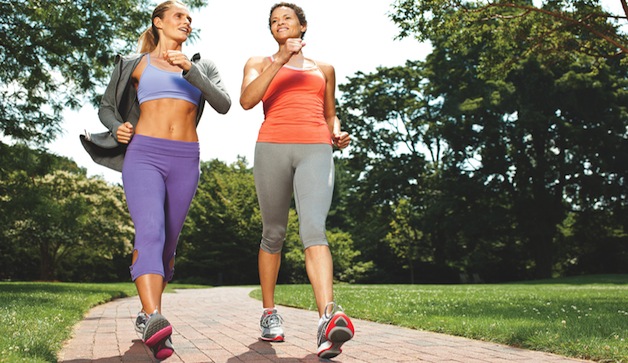
Walking is one of the most underrated yet powerful forms of feminine fitness. It is gentle, natural, and deeply nourishing for both body and mind.
A daily walk in nature, along the beach, or even through your neighborhood can be incredibly grounding. Walking regulates your nervous system, reduces stress, improves circulation, and supports emotional well-being.
Unlike high-intensity cardio, walking does not spike cortisol or leave you depleted. It allows you to move your body in a steady, rhythmic way that feels soothing rather than overwhelming.
Many women find that walking also supports creativity, clarity, and emotional processing. It becomes not just exercise, but a moving meditation.
Dance as an Expression of Feminine Energy
Dance is one of the most natural and joyful forms of feminine fitness. It reconnects you with your body in a sensual, expressive way rather than a mechanical one.
You do not need a dance class to benefit from this. Simply putting on music at home and moving freely can be incredibly powerful. Let your body sway, twist, and flow without judgment.
Dance helps release stored emotions, improves body confidence, and strengthens muscles in a fluid, non-rigid way. It also keeps fitness playful rather than restrictive, which makes it easier to maintain over time.
Yoga for Balance, Not Perfection
Yoga aligns beautifully with feminine fitness because it emphasizes breath, presence, and body awareness. However, the goal is not to achieve perfect poses or compete with others in class.
Gentle yoga styles such as yin, restorative, or hatha are particularly supportive for women. They help stretch tight muscles, calm the mind, and bring you back into your body.
Even more dynamic styles like vinyasa can be approached softly, moving with your breath rather than pushing past your limits. Yoga teaches you to respect your boundaries, which is a deeply feminine skill.
Rest as a Non-Negotiable Part of Fitness
In masculine fitness culture, rest is often seen as weakness. In feminine fitness, rest is sacred.
Your body needs time to recover, repair, and restore. Without adequate rest, you risk burnout, hormonal imbalance, and emotional exhaustion.
This means allowing yourself real days off from exercise. It also means listening when your body feels tired, sore, or overwhelmed.
Rest does not mean doing nothing. It can include gentle stretching, slow breathing, meditation, or simply being still. When you honor rest, your body responds with greater vitality and resilience.
Nourishing Your Body Instead of Punishing It
Feminine fitness is deeply connected to how you fuel your body. If you are under-eating, over-restricting, or obsessing over calories, no workout will feel truly nourishing.
Instead of seeing food as the enemy, view it as medicine. Choose whole, nutrient-dense foods that support your energy, hormones, and mood.
Eating regularly, especially if you are active, helps prevent burnout and keeps your body in balance. A feminine approach to fitness does not pair exercise with guilt, deprivation, or self-criticism.
Emotional and Energetic Fitness
Feminine fitness is not only physical. It is emotional and energetic as well.
Stress, emotional tension, and mental overload can be just as draining as physical overtraining. Practices like breathwork, meditation, journaling, or somatic movement help release emotional blockages stored in the body.
When your nervous system is calm, your body responds better to movement. You feel lighter, more connected, and more at ease in your skin.
Finding Your Personal Feminine Fitness Rhythm
There is no one-size-fits-all approach to feminine fitness. What works for one woman may not work for another. The key is to experiment, listen, and adjust.
Some women thrive with daily gentle movement like walking or yoga. Others prefer a mix of strength training, dance, and rest days.
The most important question is not “Am I working hard enough?” but “Do I feel good in my body?”
When movement feels like self-love rather than self-punishment, you are embodying true feminine fitness.
Embracing Strength Without Burnout
Feminine fitness is about sustainability, joy, and embodiment. It allows you to stay fit, healthy, and strong without sacrificing your energy or femininity.
By honoring your body’s rhythms, choosing gentle forms of movement, and prioritizing rest, you create a balanced relationship with fitness that supports your well-being for life.
You do not need to push yourself to exhaustion to be fit. You do not need to punish your body to deserve it. You can be strong, soft, powerful, and feminine all at once.
Feminine fitness invites you to move with grace, listen with compassion, and live in harmony with your body. And in that harmony, you find true strength.